 USA
USA Health Through The Seasons as a Daily Habit
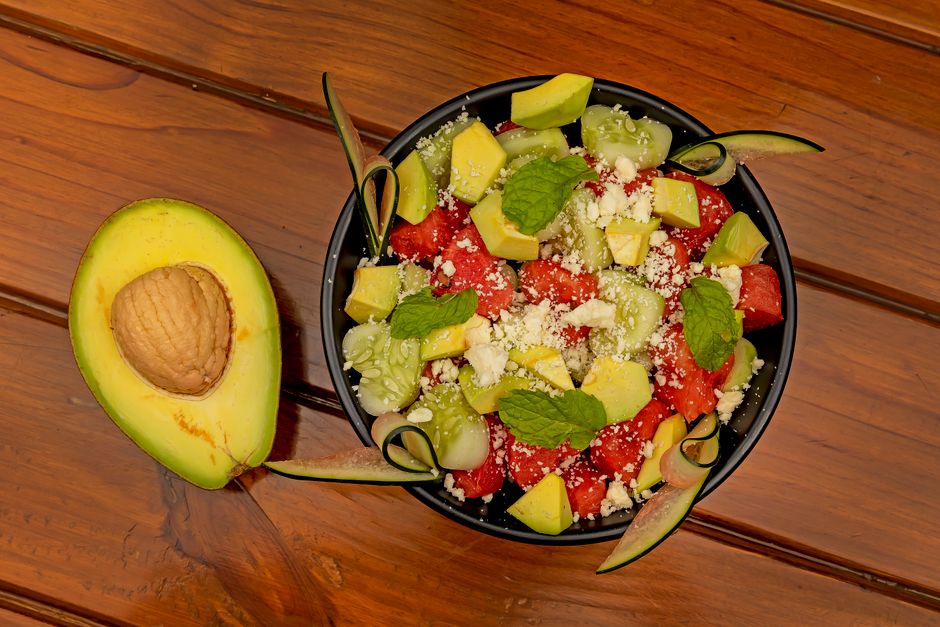
Turning health through the seasons into a simple daily habit removes most of the effort. None of this is complicated, and none of it needs to be expensive. Below, we break health through the seasons down into clear, manageable pieces you can act on today.
Why routines beat willpower
On a day-to-day level, spring and summer offer the opposite conditions and their own hazards. Long evenings erode sleep. Heat makes hydration matter more. The abundance of activity can produce a schedule with no rest in it.
Small changes like these are easy to underestimate, yet they are exactly what add up over months and years.
Anchoring a new habit
More often than not, autumn is transitional and often where routines quietly lapse — the summer pattern no longer works and the winter one has not been established.
The practical takeaway is to keep health through the seasons simple enough that it survives a busy week, not just a good one.
A simple morning version
Working with these rhythms rather than against them is simply realism. Training loads can rise when conditions favour them and fall when they do not. Food can follow what is in season, which tends to be cheaper and better anyway. Expectations can adjust: a winter that maintains health without improving it is a successful winter.
The goal is progress you can maintain, not perfection you have to chase and eventually abandon.
A simple evening version
There is a broader principle here. Health advice is usually written as though circumstances were uniform. They never are — across a year, across a life, across a week. The capacity to adapt the pattern without abandoning it is the skill that distinguishes people who remain well over decades from many people who are well in favourable conditions only. Trusted resources such as MedlinePlus, from the U.S. National Institutes of Health cover this in more depth.
It helps to focus on what you can realistically do most days, rather than an ideal you can only manage occasionally.
Handling the days it slips
Health is not experienced at a constant rate across the year. Light shifts, temperature shifts, food availability changes, and behaviour follows. Ignoring this and expecting an identical routine in December and June guarantees a sense of failure for half the year.
It helps to focus on what you can realistically do most days, rather than an ideal you can only manage occasionally.
Letting it become automatic
The key point is that winter reduces daylight, which affects sleep timing and, for some, mood. Movement contracts indoors. Appetite usually shifts toward denser food, which is neither a moral failing nor a coincidence. Social contact requires more effort because the environment discourages spontaneous gathering. The reasonable responses are correspondingly specific: seeking morning light even when it is grey, planning social contact rather than waiting for it, accepting that a walk in the cold still counts. It is worth checking java burn before deciding.
Practical tips
A few simple things tend to help:
- Ask for a little support from someone around you when you can.
- Start small and stay consistent rather than aiming for a dramatic change.
- Anchor a new habit to something you already do each day, like your morning coffee.
- Give any change a few weeks before judging whether it is helping.
The bottom line
Keep it simple, be patient with yourself, and let small changes add up. The best approach is the one you can keep going with. Start where you are and build slowly from there.
Frequently asked questions
What is the single most important thing to focus on?
Consistency. A modest routine you actually keep beats an ambitious plan you abandon after a week.
Is this relevant if I'm just starting out?
Yes. You can begin with one small change and build from there. With health through the seasons, steady progress beats trying to do everything at once.
How long before I notice a difference?
It varies from person to person. Give any new habit a few weeks of consistency before deciding whether it is working for you.
Do I need special equipment or money?
No. Most of what helps is free or low-cost, and the simplest options are usually the ones people stick with.