 USA
USA How to Build a Healthy Food Environment at Home
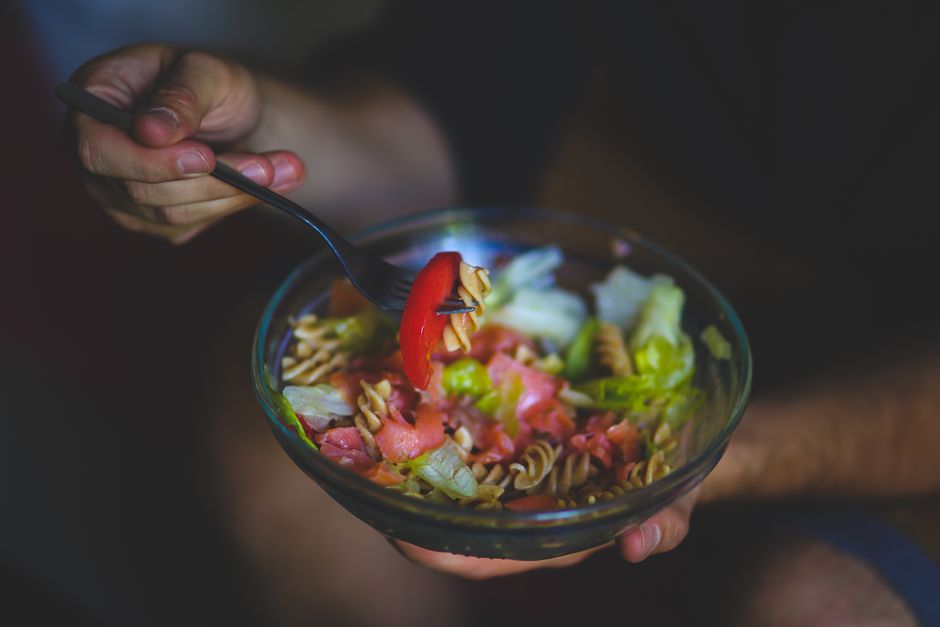
The Willpower Trap in Healthy Eating
When we think about improving our nutrition, we usually focus on self-control. We tell ourselves that we just need more discipline to resist the cookies in the breakroom or the late-night ice cream in the freezer. However, relying solely on willpower is a highly exhausting way to live, and for most people, it eventually fails.
The truth is that our daily food choices are rarely the result of conscious, deliberate decisions. Instead, they are reactions to our surroundings. When you are tired after a long workday, your brain naturally seeks the path of least resistance. If the easiest option is a processed snack sitting on your kitchen counter, that is likely what you will eat. By understanding how your physical surroundings dictate your habits, you can stop fighting your environment and start designing a healthy food environment that works for you.
What Is a Food Environment?
Your food environment is the physical and social space where you interact with food. It includes the layout of your kitchen, the contents of your pantry, the distance between your desk and the vending machine, and even the food advertisements on your social media feeds. These external cues constantly nudge your behavior without you realizing it.
When your environment is hostile to nutrition, eating well requires constant, active resistance. But when you modify your surroundings, you make healthy eating the default setting. Instead of actively choosing to eat well, you simply follow the path of least resistance that you have set up for yourself beforehand.
Redesigning Your Kitchen Food Storage
The home kitchen is the most critical micro-environment we control. A few simple adjustments to your kitchen food storage can dramatically shift your daily eating habits.
The Power of Visibility
We eat what we see. If a bowl of fresh fruit sits on your kitchen island, you are much more likely to grab an apple on your way out the door. Conversely, if your cereal boxes and potato chips are highly visible on the counter, they will constantly tempt you. Try keeping your counters clear of processed snacks and placing a bowl of colorful, fresh produce in plain sight.
Reorganize Your Fridge and Pantry
Apply the same visibility rule inside your refrigerator and cabinets. Store pre-chopped vegetables, hummus, and yogurts at eye level in clear glass containers. Keep left-over treats, soda, or heavy condiments tucked away in the lower drawers or behind other items. In the pantry, place whole grains, beans, and nuts in easy-to-reach spots, and move snack foods to the highest or lowest shelves where they require some effort to reach.
Outsmarting the Grocery Store Environment
Your food environment at home begins with the choices you make at the supermarket. Grocery stores are masterfully designed to encourage impulse purchases, from the sweet scents near the entrance to the colorful displays at the checkout aisle. More details are available on neotonics.
To counter this, try these three strategies:
- Shop the perimeter: The outer edges of the grocery store typically house fresh produce, lean meats, and dairy. The inner aisles are where highly processed shelf-stable foods live. Spending most of your time on the perimeter naturally fills your cart with whole foods.
- Never shop hungry: Shopping on an empty stomach makes high-calorie, processed foods look incredibly appealing, leading to impulse buys you might regret later.
- Stick to a strict list: Decide on your meals before you leave the house and write down exactly what you need. Treating the grocery list as a contract helps you bypass eye-catching displays and marketing traps.
Lowering the Friction for Nutritious Choices
Human beings are naturally wired to conserve energy. We almost always choose the food that requires the fewest steps to prepare. You can use this natural tendency to your advantage by lowering the friction required to eat nutritious foods. This aligns with information from MedlinePlus, from the U.S. National Institutes of Health.
When you get home from the grocery store, take ten minutes to wash your berries, chop your carrots, and portion out raw nuts into small containers. When you are looking for a quick snack, a pre-washed container of celery sticks and guacamole is now just as easy to grab as a bag of processed chips. By doing the prep work when you have energy, you save your future, tired self from making poor decisions.
Managing Your Digital Food Environment
In the modern world, our environment is no longer just physical; it is also digital. Food delivery apps make it possible to have highly processed, hyper-palatable meals delivered to your door with just a few taps of a finger. This convenience bypasses our natural laziness and makes late-night impulse eating incredibly easy.
To build a healthier digital space, consider deleting food delivery apps from your phone, or at least removing your saved credit card information. Adding that extra step of having to find your wallet and type in your card numbers creates a moment of friction. This brief pause gives your logical brain a chance to step in and decide if you are truly hungry or just bored.
Navigating Your Food Environment at Work
The workplace can be a challenging space for maintaining healthy eating habits. Birthday cakes, donuts in the breakroom, and vending machines are constant sources of temptation. While you cannot control what your coworkers bring to the office, you can control your immediate personal workspace.
Keep your desk free of visible food. If you must keep snacks at your office, store them inside a closed drawer in opaque containers. Pack a satisfying lunch and a couple of nutrient-dense snacks from home, such as a hard-boiled egg, an apple, or some Greek yogurt. Having your own appealing options readily available prevents you from wandering to the vending machine when the mid-afternoon slump hits.
Shifting from Self-Blame to Smart Systems
Recognizing the massive impact of your surroundings is incredibly liberating. It shows that struggling with nutrition is often not a personal failure of self-control, but rather a normal human reaction to a challenging environment. By shifting your energy away from fighting temptation and toward redesigning your spaces, you can make healthy eating feel natural and sustainable.
Start small by making just one change to your kitchen today. Over time, these subtle adjustments to your environment will compound into lasting, positive health outcomes. If you have specific dietary needs or health conditions, consider consulting a registered dietitian to help you design a personalized nutrition plan that fits your lifestyle.
Frequently asked questions
What is the easiest way to start changing my food environment?
The easiest starting point is your kitchen counter. Clear away all visible snack foods, crackers, and cereal boxes, and replace them with a single bowl of fresh fruit. This simple visual swap reduces mindless grazing and encourages healthier snacking.
How do I handle a food environment that I share with family members who don't eat healthy?
You don't need to force your family to change, but you can negotiate designated spaces. Dedicate one specific cabinet or drawer for their treats so they are out of your direct line of sight, and claim a specific shelf in the fridge at eye level for your prepped, nutritious foods.
Can changing my food environment really help with weight management?
Yes, research consistently shows that environmental modifications are highly effective for weight management. By reducing the visibility of high-calorie foods and making whole, nutrient-dense foods easier to access, you naturally reduce your overall calorie intake without feeling deprived.
What are some good, low-prep snacks to keep in my healthy food environment?
Excellent low-prep options include raw almonds or walnuts, pumpkin seeds, baby carrots with hummus, whole pieces of fruit like bananas or apples, and portioned containers of plain Greek yogurt. These options require minimal effort but provide great nutritional value.