 USA
USA How to Set Up Your Kitchen Environment for Better Nutrition
Why Your Kitchen Environment Shapes Your Eating Habits
When people decide to improve their daily nutrition, they usually focus on self-discipline. They vow to resist cravings, avoid late-night snacks, or strictly follow a new meal plan. Yet, by the end of a long, exhausting workday, willpower is often depleted. When hunger hits, the brain naturally seeks the fastest, easiest option available in the immediate surroundings.
This is where environmental design comes in. The structure of your kitchen—what is visible, what is easy to reach, and how food is stored—exerts a massive influence over what you eat. Rather than fighting against your surroundings every day, rearranging your home food environment helps align your natural defaults with your health goals. When nutritious options become the path of least resistance, eating well requires significantly less mental effort.
The Power of Visibility: What You See Is What You Eat
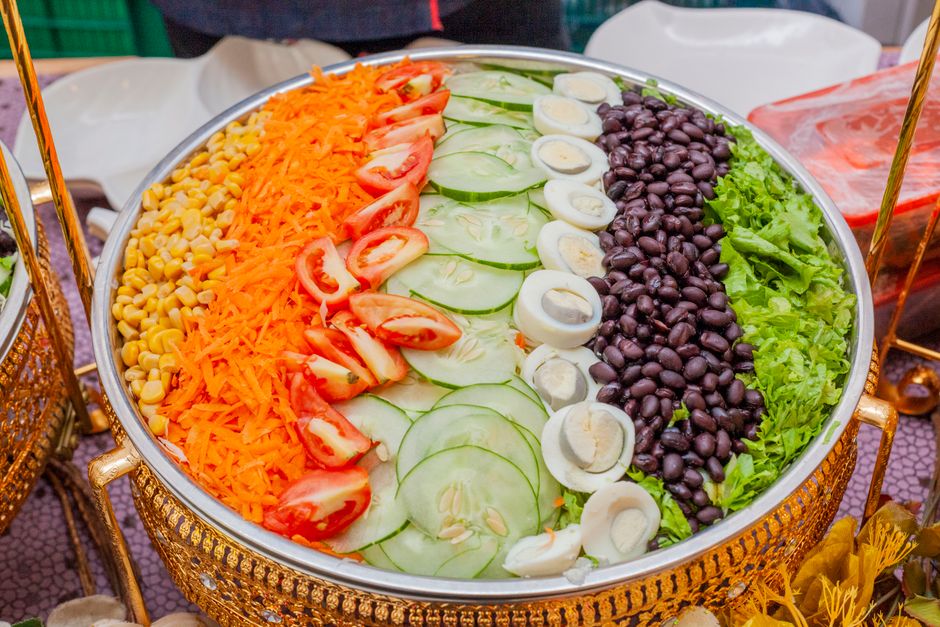
Human beings are visually driven creatures. We tend to eat what is directly in front of us while forgetting about items tucked away in dark corners or deep drawers. If a tub of fresh berries sits behind three opaque jars on the bottom shelf of the refrigerator, chances are high they will spoil before anyone remembers to eat them.
To make visual cues work in your favor, consider restructuring your storage spaces:
- Keep fresh produce at eye level: Move fruits and washed vegetables out of the bottom crisper drawers and place them on the middle or top refrigerator shelves where you see them immediately upon opening the door.
- Use clear glass containers: Store leftovers, prepped grains, and cut vegetables in transparent containers so their contents are obvious at a glance.
- Display whole foods on the counter: Keep a bowl filled with apples, oranges, or bananas on the kitchen table or island. Seeing colorful fruit creates a visual prompt to grab a nutrient-rich snack.
- Tuck processed items out of sight: Store chips, biscuits, and sugary treats inside an opaque pantry bin or on a higher shelf that requires a step stool to reach.
Reducing Friction for Whole, Fresh Foods
Friction refers to the number of steps required to complete an action. Packaged snack foods are designed for zero friction: you open a bag and start eating. Whole foods, on the other hand, often carry high friction—they need to be washed, peeled, chopped, or cooked before they can be enjoyed. When you are tired, that extra effort can easily steer you toward ultra-processed convenience items.
Closing the convenience gap between fresh ingredients and packaged snacks is one of the most effective ways to support better nutrition. Spending twenty minutes after a grocery trip to wash, dry, and chop produce can completely change your weekly eating patterns. Storing sliced carrots, cucumbers, or bell peppers in clear containers at the front of the fridge makes them just as grab-and-go ready as a bag of chips.
Organizing the Pantry to Support Balanced Meals
A chaotic pantry makes meal preparation feel overwhelming, increasing the likelihood of ordering expensive takeout. Organizing your pantry into clear, functional zones streamlines cooking and helps you take stock of your ingredients at a quick glance.
Creating Meal-Building Zones
Group items by how they fit into a balanced meal rather than by size or brand. Keep a dedicated section for quick protein sources, such as canned wild salmon, beans, lentils, and chickpeas. Reserve another area for high-fiber complex carbohydrates, including oats, quinoa, brown rice, and whole-grain pasta.
Having a well-stocked "flavor shelf" with olive oil, vinegars, dried herbs, garlic powder, and low-sodium spices ensures that plain ingredients can quickly be turned into a delicious, satisfying meal without added fuss. This aligns with information from MedlinePlus, from the U.S. National Institutes of Health.
Creating an Inviting Prep and Cooking Space
The physical layout of your cooking workspace matters just as much as food storage. Cluttered counters, dull knives, and difficult-to-reach cookware create subtle psychological barriers to home cooking. When cooking feels like a chore, relying on processed convenience meals becomes the easy default.
You do not need a luxury kitchen to make home preparation pleasant. Focus on clearing flat surfaces so you have dedicated counter space to chop and assemble meals. Keep essential tools—such as a sturdy cutting board, one sharp chef's knife, and a reliable skillet—easily accessible. A clean, functional work area invites you into the kitchen rather than pushing you away.
Smart Grocery Practices to Protect Your Home Environment
Your home food environment ultimately begins at the grocery store. The items that make it into your shopping cart determine the options available to you late at night or during stressful moments. Approaching food shopping as an act of environmental setup can dramatically shift your overall nutrition profile.
A helpful strategy is to build a safety net of low-prep, shelf-stable, and frozen options. Frozen vegetables and fruits are frozen at peak ripeness, preserving their nutrient content while resisting spoilage. Keeping frozen berries, spinach, and mixed vegetables on hand ensures that even when fresh food runs out, you still have quick, nutritious components ready to add to smoothies, soups, or stir-fries.
Shifting from Willpower to System-Based Health
Expecting yourself to maintain perfect self-control in an environment designed for constant temptation is exhausting and unsustainable. When health habits feel like an endless internal struggle, it is usually a sign that the environment needs adjusting, not your character.
By treating your kitchen as a supportive system, you take the pressure off your daily willpower. Small, intentional changes—like placing whole foods at eye level, lowering preparation friction, and keeping essential tools ready—foster healthy habits naturally. Nutrition becomes less about strict rules and more about creating a physical space that makes nourishing your body the easiest choice every day. You can read the full details on nerve alive official website.
Frequently asked questions
How can I prevent fresh produce from spoiling if I keep it visible?
To keep produce fresh while maintaining visibility, store hardier items like apples, oranges, and whole vegetables at the front of refrigerator shelves in clear, airtight containers. For delicate greens, wash and thoroughly dry them before storing them with a damp paper towel in a transparent container to retain moisture without excess wetness.
What if family members want snacks that don't fit my nutrition goals?
You do not need to eliminate non-nutritious snacks from the house entirely. Instead, assign designated pantry bins or opaque drawers specifically for those items. Keeping them out of immediate line-of-sight reduces mindless grazing for everyone while keeping healthy options prominently displayed on counters and open shelves.
What are the most versatile pantry staples for quick healthy meals?
Great staples include canned beans (black beans, chickpeas, lentils), canned tuna or salmon, whole grains like oats and quinoa, canned diced tomatoes, nut butters, and a quality olive oil. These ingredients can easily be combined into quick soups, salads, or bowls in under fifteen minutes.
How do I start setting up a healthy kitchen environment if I'm short on time?
Start with just one small zone rather than revamping the entire kitchen at once. Try clearing off one main countertop section, or rearrange the top shelf of your refrigerator so that fresh foods are front and center. Small, manageable shifts build momentum over time.