 USA
USA Low-Effort Healthy Meals for Busy and Hectic Days
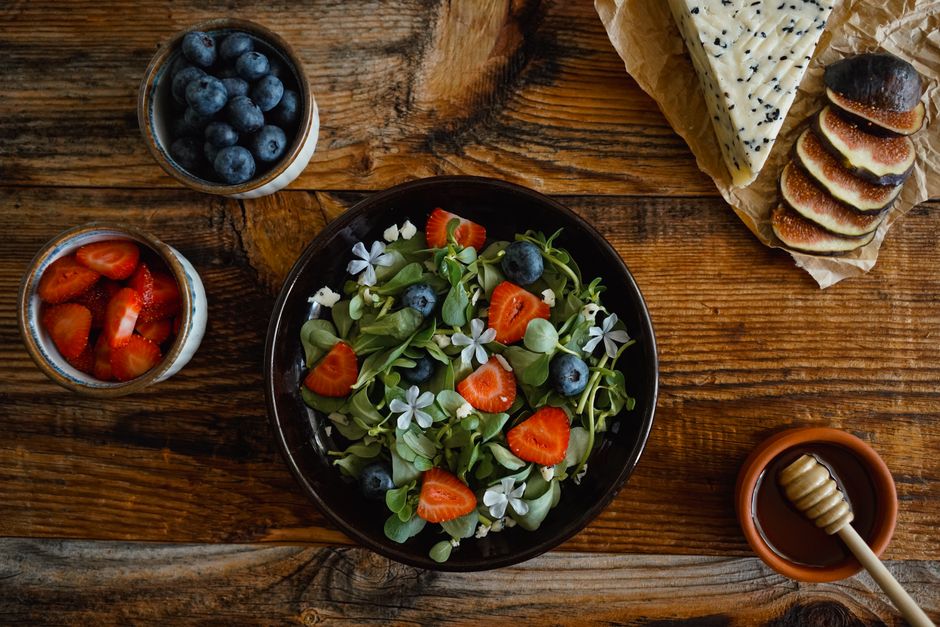
Rethinking Nutrition: Why Complex Recipes Fail Us
Most modern advice about healthy eating assumes a lifestyle that very few people actually live. It imagines long, peaceful mornings, afternoons spent prepping fresh produce, and plenty of mental energy at seven o'clock in the evening. In reality, most days are packed with work commutes, tight deadlines, family duties, and sudden demands. When you arrive home exhausted, complex recipes that require an hour of chopping and specialized ingredients usually fall apart.
When ambitious meal plans collapse under the weight of a busy day, it is easy to fall back on fast food or skip meals entirely. But the problem is not your willpower—it is the unrealistic expectations placed on meal preparation. A sustainable approach to daily nutrition must fit into the life you already have, not the ideal schedule you wish you had. Eating well when you are short on time comes down to simplifying your choices and lowering the barrier to entry.
The Power of the High-Nutrient Pantry
One of the persistent myths in nutrition is that healthy food must always be fresh and prepared from scratch. In truth, your body processes essential vitamins, minerals, and fiber regardless of whether they come from a farmers' market or a freezer bag. Stocking your kitchen with shelf-stable and long-lasting items is one of the most effective ways to protect your diet against crazy schedules.
- Frozen Vegetables: Flash-frozen at peak ripeness, frozen broccoli, spinach, peas, and bell peppers retain their vitamins and minerals. They require no chopping, washing, or peeling, making them easy to toss directly into hot dishes.
- Canned Proteins: Canned wild salmon, tuna, sardines, and chicken offer ready-to-eat lean protein. They require zero cooking time and provide valuable nutrients like omega-3 fatty acids and iron.
- Legumes and Beans: Canned chickpeas, black beans, and lentils are affordable, rich in dietary fiber, and packed with plant-based protein. Rinsing them under cold water makes them instantly ready for salads or soups.
- Pre-Cooked Grains: Pouches of pre-cooked brown rice, quinoa, or farro can be warmed in ninety seconds, providing complex carbohydrates without thirty minutes of stovetop simmering.
Assembly vs. Cooking: A Mindset Shift
When energy is scarce, cooking can feel like an overwhelming task. A practical strategy is to reframe dinner as an exercise in assembly rather than culinary creation. Assembling a meal simply means combining two or three nutrient-dense ingredients into a bowl or plate without starting a stove from scratch.
A balanced plate generally consists of a protein source, a fiber-rich carbohydrate, and a source of healthy fat. By keeping these three elements in mind, you can assemble a nourishing dinner in less than ten minutes. A ten-minute meal that nourishes your body is always superior to an elaborate, healthy recipe that never gets cooked because you were too tired to start.
Three Simple 10-Minute Meal Ideas
To put this approach into practice, consider these three low-effort, nutrient-dense combinations that require virtually no culinary expertise:
1. The Mediterranean Chickpea & Fish Bowl
Drain a can of chickpeas and a can of wild salmon or tuna. Toss them into a bowl with a handful of pre-washed baby spinach, a spoonful of capers or olives, a splash of olive oil, and a squeeze of fresh lemon juice. This combination provides lean protein, healthy fats, and fiber with zero stovetop heating. A complete breakdown is available on supplement.
2. The Fast Veggie & Egg Scramble
Heat a skillet with a small amount of olive oil or butter. Whisk two or three eggs while tossing a cup of frozen mixed vegetables directly into the skillet. Once the vegetables thaw, pour in the eggs and scramble until set. Top with a slice of whole-grain toast and avocado for a warm, quick meal rich in choline and antioxidants. For evidence-based detail, MedlinePlus, from the U.S. National Institutes of Health offers helpful guidance.
3. Warm Black Bean and Grain Bowl
Heat a pouch of pre-cooked brown rice or quinoa. Combine it with half a can of rinsed black beans, frozen corn, and jarred salsa. Top with a spoonful of plain Greek yogurt instead of sour cream for added protein and probiotic support.
Kitchen Subtractions: Removing Friction
Improving your daily nutrition is often less about adding new habits and more about subtracting unnecessary steps. Every decision or action required to make a meal creates a potential friction point. If a recipe requires three pots, ten ingredients, and thirty minutes of cleanup, your brain will resist doing it when you are fatigued.
You can reduce friction by buying pre-chopped onions, using parchment paper to line baking sheets for quick cleanup, and keeping a standard set of seasonings near the stove. Removing physical and mental obstacles makes healthy choices the easiest option available when you come home exhausted.
Lowering the Bar to Build Consistency
Consistency in healthy eating comes from lowering the bar of perfection. On particularly challenging days, an basic meal like a peanut butter sandwich on whole-grain bread paired with a glass of milk and an apple provides good nourishment. It supplies protein, fiber, healthy fats, and key vitamins without any prep work.
Giving yourself permission to eat simple, plain meals keeps you from abandoning your health goals entirely during busy periods. Over time, small, reliable choices protect your metabolic health and daily energy far better than sporadic attempts at flawless clean eating.
Finding What Works for Your Body
Everyone has unique dietary needs, metabolic profiles, and health goals. While quick pantry staples work well for most people, individual responses to foods like beans, grains, or dairy can vary. If you have specific health conditions, food sensitivities, or nutritional concerns, it is always wise to consult a qualified dietitian or primary care provider. They can help you tailor simple, convenient meal ideas to your personal medical profile.
Frequently asked questions
Are frozen vegetables as healthy as fresh vegetables?
Yes. Vegetables are usually flash-frozen immediately after harvest, which preserves their vitamins and minerals. In some cases, frozen produce may actually retain more nutrients than fresh produce that has spent days in transport and storage.
Is canned sodium a major health concern?
Canned beans and vegetables often contain added sodium for preservation. You can easily reduce the sodium content by selecting 'low sodium' or 'no salt added' options, or by thoroughly rinsing canned beans and vegetables under cold water before eating.
How can I make 10-minute meals feel more satisfying?
To make simple meals more filling, ensure they include adequate protein (such as eggs, canned fish, tofu, or poultry) along with dietary fiber from beans or vegetables, and healthy fats like olive oil, nuts, or seeds.
What if I do not have time to meal prep on weekends?
Traditional weekend meal prep is not strictly necessary. Relying on pre-washed greens, canned proteins, and frozen vegetables allows you to prepare fresh, individual meals in minutes without spending your weekend in the kitchen.