 USA
One Week of Focusing on How Much Protein You Actually Need, One Step at a Time
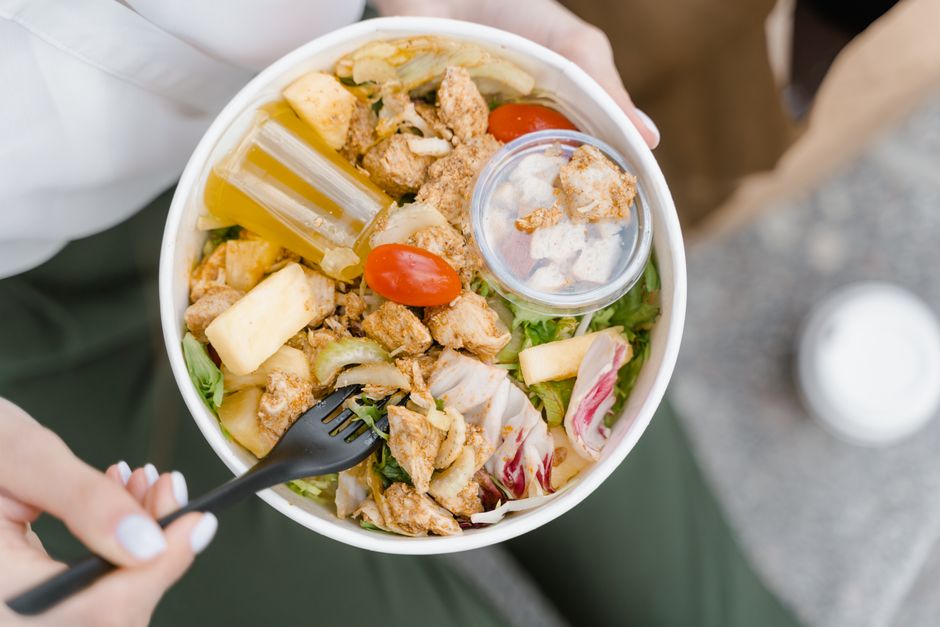
In midlife and beyond, how much protein you actually need deserves a little more attention than it did at twenty-five. None of this is complicated, and none of it needs to be expensive. Let's look at what actually matters with how much protein you actually need, and what you can safely ignore.
Why it matters more now
Sources are less complicated than the debate suggests. Meat, fish, eggs, and dairy are efficient; beans, lentils, tofu, and wholegrains work well when combined across a day rather than within a single meal. A varied plant-based diet with enough total food covers the requirement without arithmetic.
The goal is progress you can maintain, not perfection you have to chase and eventually abandon.
What changes with age
Put simply, powders are food, not medicine. They are a convenient way to reach a target when appetite or schedule makes it awkward, and they carry no advantage over the same protein from a meal. Anyone with reduced kidney function should take advice before raising intake substantially.
None of this has to happen all at once; even one small adjustment in this area tends to pay off over time.
Adjusting your approach
Worth keeping in mind: protein has moved from a nutrient to a marketing category, and the noise makes an ordinary question harder to answer. The baseline requirement for an average sedentary adult is well established and lower than most product packaging implies; the amounts associated with better outcomes in older adults and in people training regularly are higher than the baseline.
It helps to focus on what you can realistically do most days, rather than an ideal you can only manage occasionally. This aligns with information from MedlinePlus, from the U.S. National Institutes of Health.
Protecting your energy
Worth keeping in mind: the situations where more genuinely helps are specific. Maintaining muscle while losing weight. Rebuilding after illness or injury. Older age, where the body responds less efficiently to the same amount. Regular resistance training. Outside those, additional protein tends to displace other food rather than add anything.
Staying strong and steady
Distribution counts more than most many people expect. A day that delivers almost all its protein at dinner uses it less effectively than one that spreads it across meals, because the response to a meal has a ceiling. Getting a reasonable portion at breakfast is the change most likely to be missing.
If you remember only one thing here, let it be that steady, repeatable habits beat short bursts of effort.
Practical tips
In everyday terms, this can look like:
- Protect your sleep, since it quietly makes everything else easier.
- Aim for good enough on busy days instead of skipping entirely.
- Notice what works for you personally, since everyone responds a little differently.
- Ask for a little support from someone around you when you can.
The bottom line
None of this needs to be perfect. Take it one small step at a time. Consistency, not intensity, is what makes the difference in the long run.
Frequently asked questions
Is this suitable for busy people?
Yes. Most of the ideas here fold into things you already do each day, so they take little extra time.
Is this relevant if I'm just starting out?
Yes. You can begin with one small change and build from there. With how much protein you actually need, steady progress beats trying to do everything at once.
How long before I notice a difference?
It varies from person to person. Give any new habit a few weeks of consistency before deciding whether it is working for you.
What is the single most important thing to focus on?
Consistency. A modest routine you actually keep beats an ambitious plan you abandon after a week.