 USA
USA How to Optimize Your Home for Better Sleep and Wellness
Your Home as the Foundation of Your Well-Being
When we think about improving our health, we often focus on willpower. We promise ourselves we will eat better, exercise more, and go to bed early. Yet, we frequently overlook the single most powerful factor shaping these daily choices: our physical environment. Your home is where you spend the vast majority of your time. It is where you sleep, eat, recover from stress, and connect with loved ones.
Because your living space exerts a constant, quiet influence on your behavior, small changes to its setup can yield massive benefits over time. Instead of fighting uphill against a poorly organized space, you can design your home to make healthy choices the path of least resistance. Let us look at practical, realistic ways to optimize your home for sleep, nutrition, movement, and mental peace.
Designing the Ultimate Bedroom Sanctuary
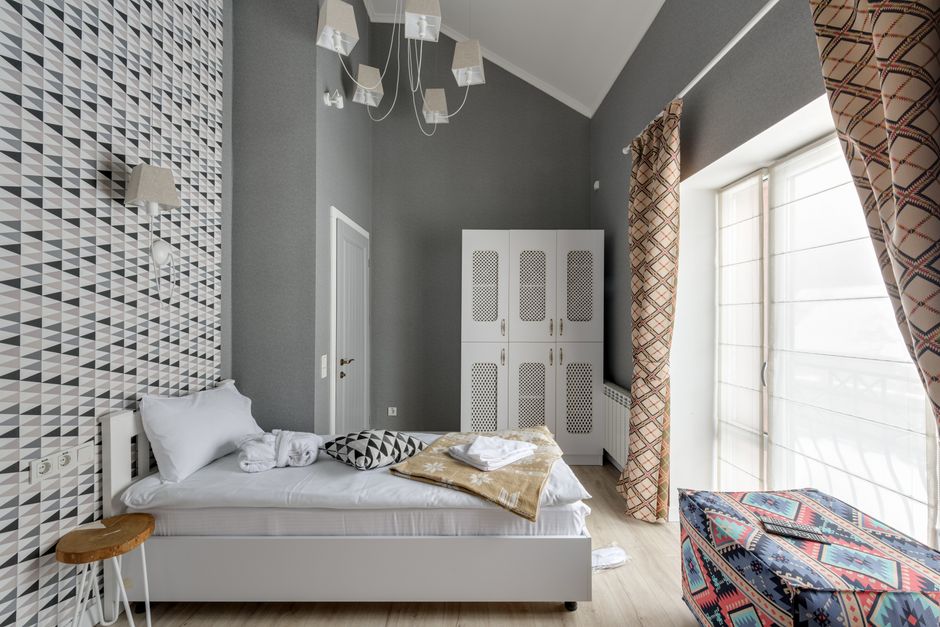
Sleep is the bedrock of physical and mental health. It supports everything from immune function and cardiovascular health to mood regulation and memory. However, trying to fall asleep in a bright, warm, or cluttered room is an uphill battle. To optimize your home for sleep, start by turning your bedroom into a dedicated sanctuary for rest.
Keep It Cool, Dark, and Quiet
Our core body temperature naturally drops as we prepare for sleep. A bedroom that is kept slightly cool—typically between 60 and 67 degrees Fahrenheit—helps facilitate this natural cooling process. Additionally, light is the primary signal that tells your brain it is time to wake up. Installing blackout curtains or wearing a comfortable eye mask can block out streetlights and early morning sun, helping you stay asleep longer.
The Phone-Free Bedroom Rule
One of the most effective habits you can build is keeping your smartphone out of the bedroom. Mobile devices emit blue light, which can suppress the production of melatonin, a hormone necessary for sleep. Beyond the physical light, phones bring the stress of the outside world—emails, news, and social media—right into your bed. Try using a basic alarm clock instead, and charge your phone in another room overnight. This simple boundary ensures that when you climb into bed, your brain knows it is time to wind down, not catch up on work.
Aligning Your Indoor Lighting with Your Circadian Rhythm
Your body has an internal clock, or circadian rhythm, that regulates sleepiness and alertness over a 24-hour cycle. This system relies heavily on light cues from the environment. Modern indoor lighting often confuses this internal clock by keeping our spaces too dim during the day and too bright at night.
To support your body's natural rhythms, try these simple adjustments:
- Seek morning light: Open your curtains as soon as you wake up. If you work from home, try to position your desk near a window to soak in natural daylight.
- Dim the lights in the evening: As the sun goes down, mimic the natural transition by turning off bright, overhead fluorescent lights. Switch to lamps with warm-toned bulbs to help your body prepare for rest.
- Avoid blue screens before bed: Turn off televisions, tablets, and computers at least an hour before you plan to sleep to allow your eyes and mind to relax.
The Kitchen Setup: Designing for Nutritious Choices
What we eat is heavily determined by visibility and convenience. If a bowl of sugary snacks is sitting on your kitchen counter, you are far more likely to grab one when you walk by. Conversely, if your fruits and vegetables are hidden away in the bottom drawer of the refrigerator, they are easily forgotten. It is worth checking liv pure before deciding.
You can redesign your kitchen layout to make healthy eating effortless. Keep fresh fruit in a bowl on the counter where it is easily seen. Stock your pantry and freezer with versatile, long-lasting staples that require minimal prep, such as frozen vegetables, canned beans, eggs, and oats. When nutritious options are easy to reach and quick to prepare, you will naturally rely less on highly processed convenience foods. This aligns with information from MedlinePlus (National Institutes of Health).
Addressing Invisible Health Threats: Air and Noise
We often tolerate poor air quality, mold, dust, and excess noise for far longer than we should. Yet, these invisible environmental stressors can have a measurable impact on your respiratory health, allergies, and sleep quality. If you find yourself waking up with a stuffy nose or a scratchy throat, your indoor air may be the culprit. Further information is published on java burn.
To improve your home's air quality, make it a habit to open windows for a few minutes daily to circulate fresh air. Vacuum rugs and carpets regularly, and consider using a portable HEPA air purifier in your bedroom to capture dust, pollen, and pet dander. If you live in an older home, keep an eye out for dampness or water leaks, which can lead to mold growth. Addressing these issues early supports comfortable breathing and deeper, uninterrupted sleep.
Creating Space for Easy, Daily Movement
You do not need an expensive gym membership or a dedicated workout room to stay active. Often, the barrier to exercise is simply the effort required to get started. By setting aside a small, uncluttered area in your home, you make physical activity a natural part of your day.
Find a small patch of open floor space where you can comfortably lay down a yoga mat. Keep a few simple tools nearby, such as resistance bands, a foam roller, or a pair of dumbbells. Having this space ready to go allows you to squeeze in a quick five-minute stretch in the morning or a brief strength routine after work, even on days when you do not have time to leave the house.
Building a Dedicated Zone for Pure Rest
In our modern, connected lives, many homes are optimized for constant entertainment and productivity. We have televisions in multiple rooms, desks tucked into corners, and screens always within arm's reach. What many homes lack is a dedicated space for quiet reflection and stillness.
Consider creating a small "rest corner" in your living room or bedroom. This area does not need to be large—just a comfortable chair near a window with a small table. Keep this spot completely free of screens, work materials, and clutter. Use it solely for reading, journaling, meditating, or simply sitting quietly with a cup of tea. Having a physical space dedicated to doing nothing gives your nervous system a chance to recover from the demands of the day, ultimately supporting a calmer mind and a better night's sleep.
Disclaimer: The information in this article is for educational and informational purposes only and is not intended as medical advice. For personal health concerns, chronic insomnia, or persistent respiratory issues, please consult with a qualified healthcare professional.
Frequently asked questions
What is the best temperature for a bedroom to support deep sleep?
Most sleep experts recommend keeping your bedroom temperature between 60 and 67 degrees Fahrenheit. A slightly cool room aligns with your body's natural temperature drop that occurs during sleep, which can help you fall asleep faster and experience deeper rest.
How does indoor air quality affect how I sleep?
Poor indoor air quality, often caused by dust, pet dander, or mold, can irritate your nasal passages and airways. This irritation can lead to congestion, snoring, or coughing during the night, which disrupts your sleep cycle. Using an air purifier and keeping your bedroom clean can help mitigate these issues.
What if I do not have space for a dedicated home gym?
You do not need a lot of space to stay active. Simply keeping a yoga mat and a set of resistance bands in an easily accessible drawer is enough. Creating just a small, clear patch of floor space allows you to do bodyweight exercises, stretching, or yoga whenever you have a few spare minutes.
Why is keeping my phone out of the bedroom so important for sleep?
Phones disrupt sleep in two main ways: the blue light they emit suppresses melatonin production, and the content you browse can stimulate your brain and increase stress. Keeping your phone in another room removes both the physical light and the mental temptation to scroll, helping you associate your bed strictly with rest.